Your LinkedIn Profile Is Working a Night Shift — Make Sure It's Actually Good at the Job
Published on July 13, 2026
Blogs
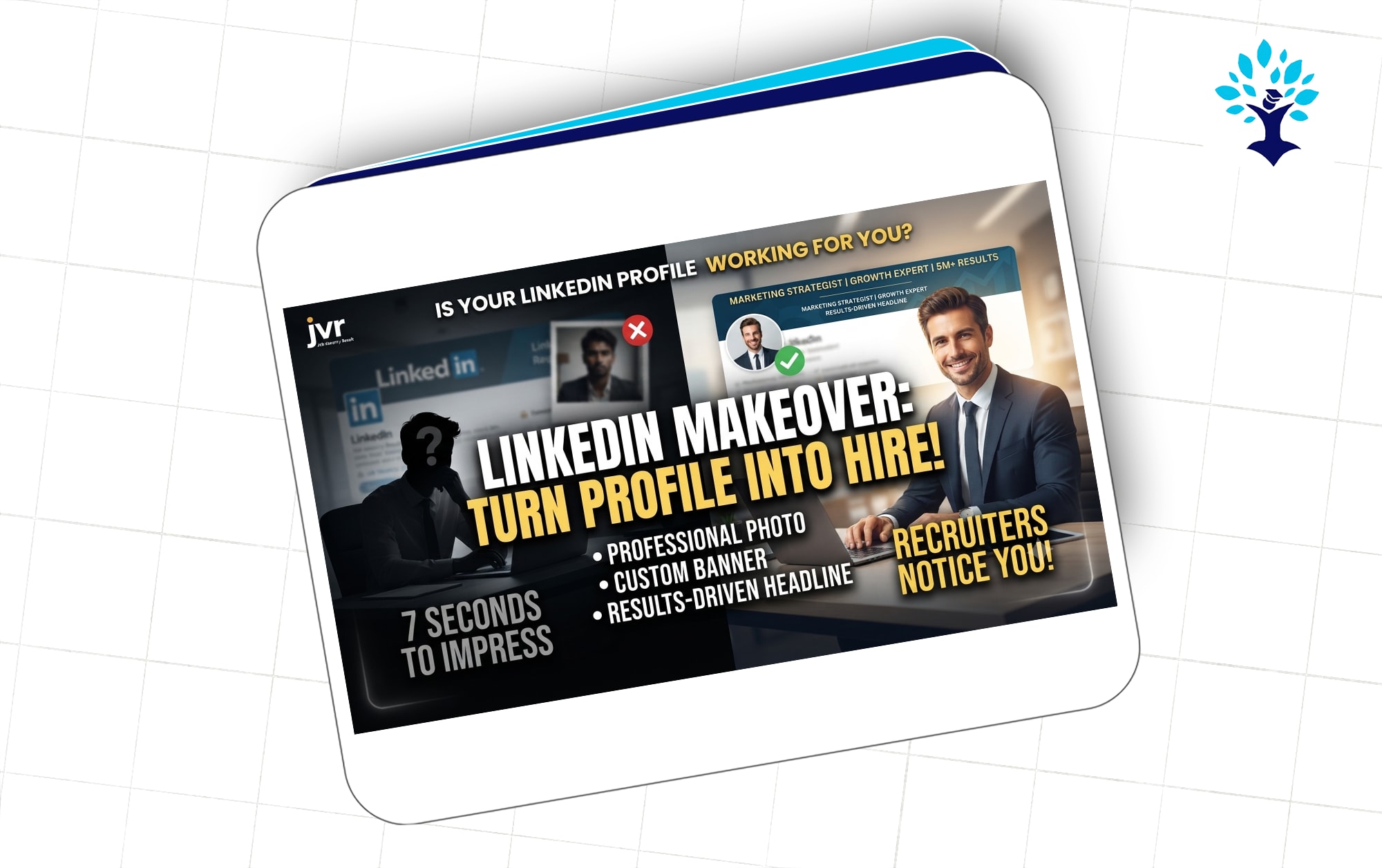
Make Sure LinkedIn Actually Good at the Job
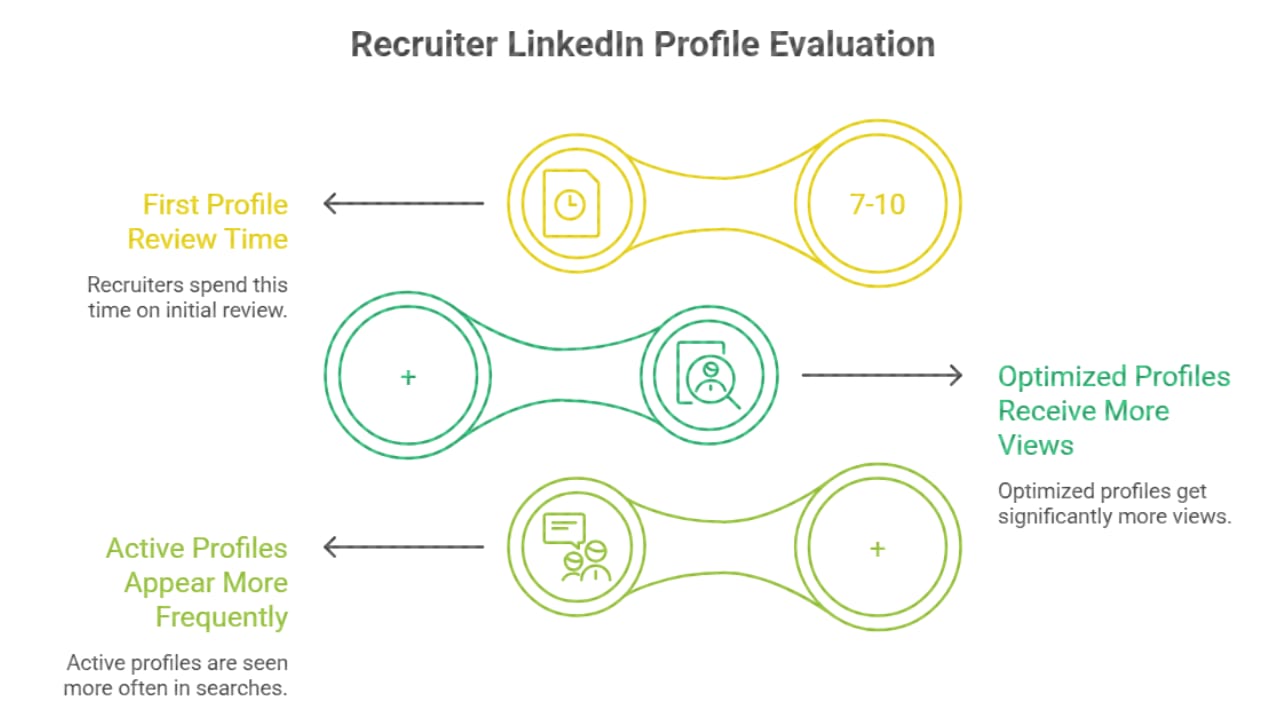
While you're sitting in a meeting, sleeping, or scrolling something completely unrelated, your LinkedIn profile is out there working. Recruiters are searching, skimming, deciding in seconds whether you're worth a message. Most recruiters spend just 7 to 10 seconds on an initial profile scan — that's the entire window you get to look like someone worth hiring.
Here's what that six-to-ten-second decision actually runs on, and how to make sure your profile passes it.
Your photo decides things before anyone reads a word
Before your headline, before your About section, before any of it — there's your face. Platform data consistently shows a dramatic increase in profile views for users with professional pictures, and people with optimized profiles get up to 20 times more views and 9 times more connection requests. A blurry photo cropped from a group dinner, or no photo at all, reads as "inactive" before a recruiter has even formed an opinion about your skills.
You don't need a studio shoot. You need decent lighting, a plain background, and your face actually visible — that's the whole bar.
Your banner is free real estate that almost everyone wastes
This one surprised me when I first read the numbers: your LinkedIn banner occupies 1584 by 396 pixels of prime positioning space at the top of your profile, yet 67% of LinkedIn users leave this section blank. That's 1.4 million pixels of free visibility nobody's using. A simple banner stating your role and specialty — even just text on a clean background — fills space that's otherwise just empty sky above your photo.
Stop writing your job title as your headline
This is the single most common mistake on the platform. Most people simply write something like "Software Engineer at [Company]" — that's wasted space on the highest-impact field of your entire profile. Your headline shows up in every search result, every comment, every connection request. It's not a label. It's an ad.
Use a formula instead of a title:
Role + the outcome you create + a credibility signal
Example: "Growth Marketer | SEO & Content Strategy | 5M+ Organic Visitors Driven"
Avoid buzzword soup like "Innovative Thought Leader | Disruptor | Change Agent" — specific and credible language consistently beats vague self-description
If you're actively searching, add "open to work" into the headline text itself, since many recruiters filter directly by headline keywords
Treat your About section like a pitch, not an autobiography
Most About sections read like a diary entry nobody asked for. The ones that work lead immediately with value — what you do, who you help, what's changed because of you — before any backstory. A well-built About section shares a professional story built around the exact industry keywords recruiters actually search for, not a generic narrative that could belong to anyone in your field.
Rewrite your Experience section like it's a highlight reel, not an old job description
Here's the line that should sting a little: most Experience sections read like a dusty archive of old job descriptions, which is a genuinely huge missed opportunity. "Managed social media" tells a recruiter nothing. "Grew organic engagement by 45% in six months" tells them everything in one sentence. Replace every duty-based line with a results-based one
Lead with the outcome, not the task
Use real numbers wherever you have them — percentages, dollar figures, team sizes
If you don't have a hard number, describe what changed because you were the one doing the work
Skills aren't decorative — they're a search filter
LinkedIn functions like a search engine more than people realize, and Skills sit right in the middle of how that search works. Profiles with multiple skill endorsements receive 17 times more views from recruiters, while profiles with verified skill assessment badges rank roughly 30% higher in recruiter searches for that specific skill.
A few practical moves here:
Keep your list to 10–20 genuinely relevant skills rather than fifty generic ones — listing something like "Microsoft Word" in 2026 signals you don't know how to prioritize
Take LinkedIn's skill assessments where they're available; the badge carries real search weight
Ask three to five colleagues for endorsements on your top skills specifically, since a skill with 50-plus endorsements consistently outranks the same skill sitting at zero.
Recommendations do something your own writing can't
A recommendation is the one part of your profile you genuinely can't fake, which is exactly why it carries weight. A profile with three or more detailed recommendations gets treated as more credible by both the algorithm and human recruiters reading it. Ask former managers or senior colleagues directly, and make it easy for them — point them toward one specific project or outcome worth mentioning instead of leaving it open-ended.
Use "Open to Work" the smart way, not the loud way
The feature works, but it's not all-or-nothing. Members using the public OpenToWork photo frame receive, on average, 40% more InMails from recruiters — but if you're currently employed and don't want your employer noticing, there's a private setting visible to recruiters only, which still significantly increases recruiter messages without broadcasting it to your whole network.
Show up, even a little
The biggest shift in how the algorithm behaves in 2026 isn't a secret hack — it's just activity. LinkedIn's recent algorithm changes mean that activity now affects profile visibility, even in passive searches, so recruiters searching for candidates tend to see more active profiles first. You don't need to post daily. One short post a week, even a few sentences observing something in your industry, is enough to move the needle, paired with the occasional thoughtful comment on posts from people at companies you'd actually want to work for.
The profile that gets found is the one that's honest about what it's for
None of this works as a one-time setup you finish and forget. An optimized profile works around the clock — recruiters find you, hiring managers vet you, and connections discover you, all based on how thoroughly you've actually built it out. Treat it like the asset it is: update it after every role change, every win, every certification, instead of remembering it exists only when you're suddenly job hunting again.