Best Paying Remote Jobs in 2026: Work From Anywhere and Still Earn Well
Published on August 05, 2026
Blogs
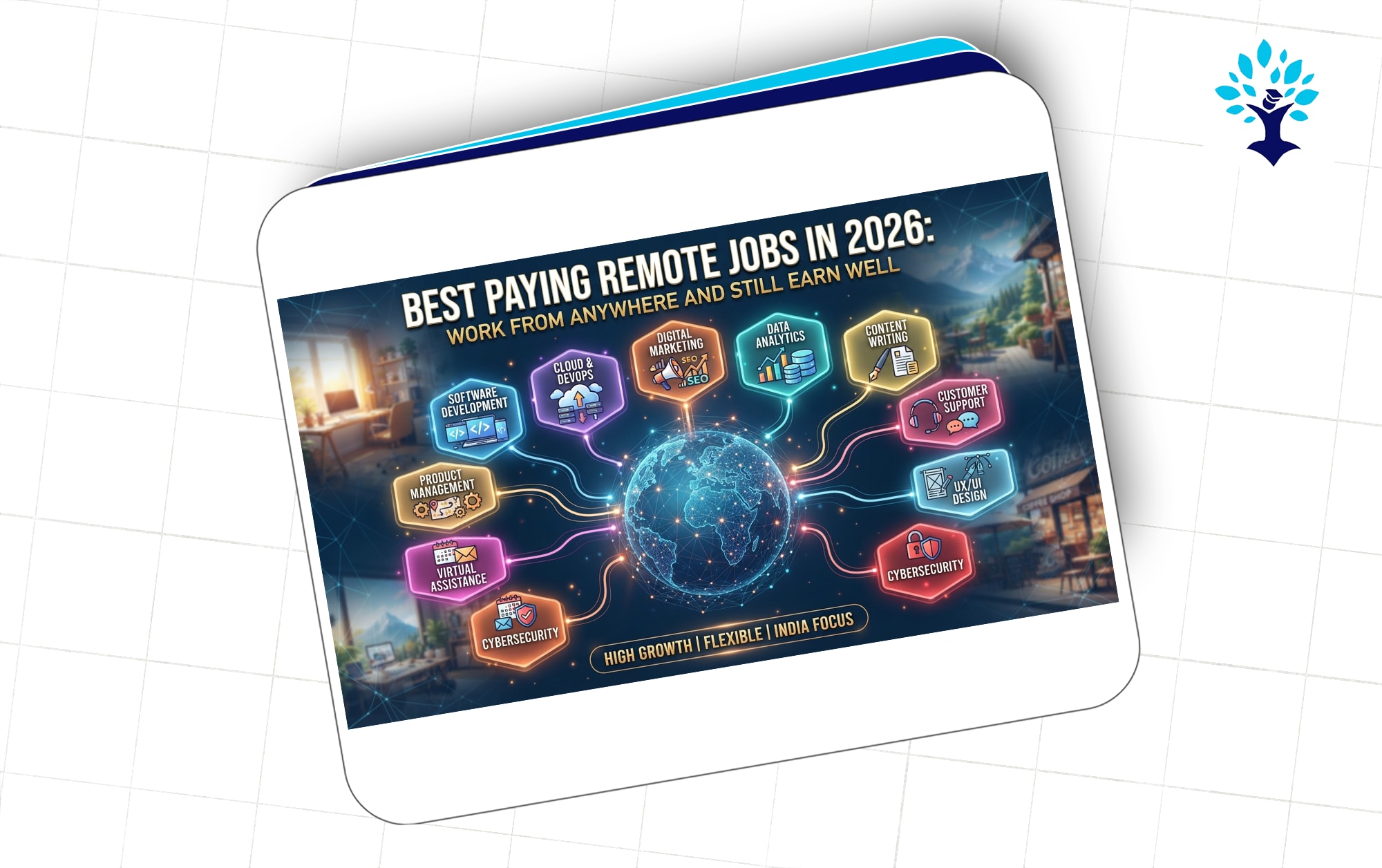
Work From Anywhere and Still Earn Well
Remember when "I work from home" used to sound like an excuse? Like you couldn't land a "real" job, so you settled for typing away in your bedroom instead? That perception is basically dead now. In 2026, remote work isn't the consolation prize anymore — for a lot of people, it's the goal. Companies have realized something simple: a sharp employee in Indore can do the same job as one sitting in a Bangalore office, minus the rent, minus the electricity bill, minus the daily commute drama. So no, this isn't slowing down. It's picking up pace.
If you've been scrolling job listings, wondering which "work from home" jobs are actually worth your time, and which ones cap out at ₹15,000 a month with a fancy title slapped on top, you're in the right place. No hype, no "earn lakhs by next Friday" nonsense. Just a straight, honest look at what's actually paying well in remote work right now, and how you can realistically get there.
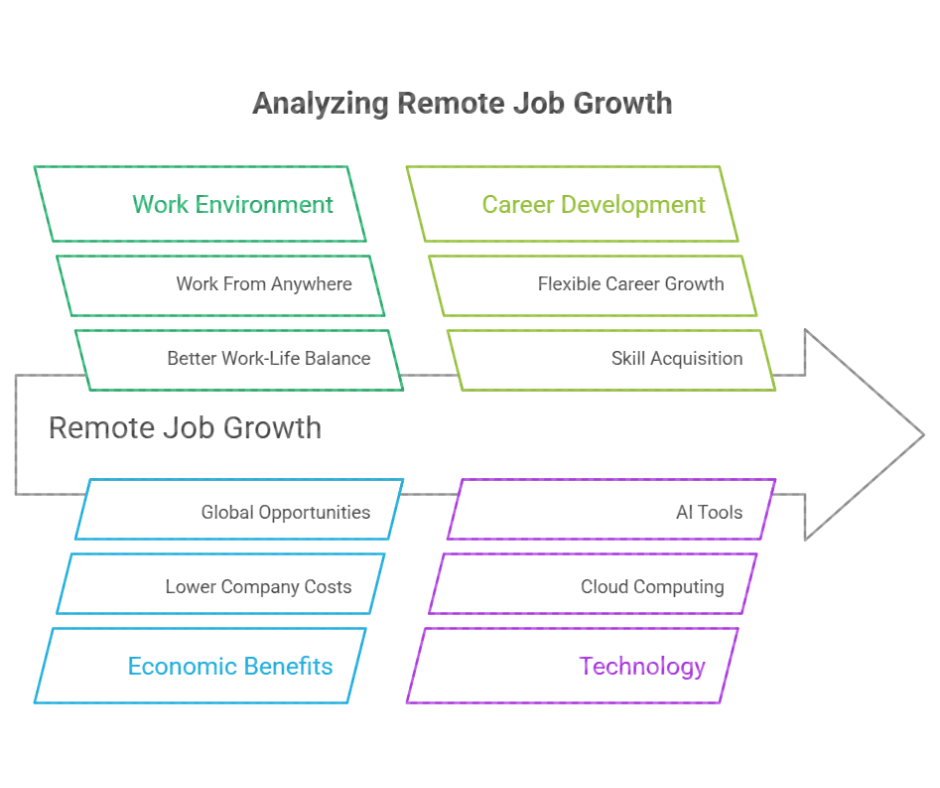
Why Is Remote Work Still Growing in 2026?
Honestly, it's not one big reason. It's a handful of smaller ones that are all lined up together.
It saves companies money. No office rent, no cafeteria subsidy, no extra electricity for forty desks running AC all day. A lot of that saving quietly ends up as better pay for remote roles instead.
Talent stopped being stuck in one city. A genuinely good writer in Ranchi or a sharp developer in Coimbatore can now go up against someone from Gurgaon for the same job — and more often than not, the company doesn't care where you're logging in from as long as the work is good.
People are asking for it, loudly. Survey after survey shows job seekers now rank flexibility above salary when weighing two offers. Companies that don't get on board with this just end up losing good people to the ones that do.
The tools finally caught up. Video calls that don't lag, shared docs, instant messaging, project boards — none of this needed a cubicle to work well, and teams have gotten a lot better at using it over the last couple of years.
Put it all together, and this isn't some fad you'll look back on and laugh about. It's just how a growing part of the job market functions now.
So, Which Remote Jobs Actually Pay Well?
This is the part people actually came here for. Below are roles that keep showing up with solid pay and genuine remote openings — not just one token "WFH" tag buried on page five of a listing site.
1. Software Development (Full Stack, Backend, Mobile) Still the big one.
There's a constant, almost embarrassing shortage of developers who can write clean code and actually work without being micromanaged. Remote full-stack developers working for Indian companies usually land somewhere between ₹8 and ₹25 lakh a year, and those working with international clients or product-based firms often go well past that. Know JavaScript, React, Node, or Python properly? This door is wide open, no debate.
2. Cloud and DevOps Engineering
Everyone's shifting their systems to the cloud, and hardly anyone has enough trained people to actually run it. AWS, Azure, or GCP-certified folks working remotely typically pull ₹10 to ₹30 lakh a year, sometimes considerably more once you're senior. Demand here is genuinely outpacing supply — it's not marketing talk, recruiters will tell you this themselves.
3. Digital Marketing (SEO, Performance Marketing, Social Media)
This whole field basically runs on a laptop and Wi-Fi, so it was remote long before "remote" was even a buzzword. SEO folks, performance marketers, social media strategists working from home typically earn ₹4 to ₹15 lakh a year — and once you build your own client base as a freelancer or agency owner, that ceiling disappears pretty fast.
4. Data Analytics and Business Intelligence
Companies are sitting on mountains of data and desperately need people who can turn it into something usable. If you're comfortable with Excel, SQL, and tools like Power BI or Tableau, remote analyst roles pay ₹6 to ₹18 lakh a year. Bonus: This field genuinely rewards curiosity and attention to detail more than it rewards degrees.
5. Content Writing and Copywriting
Every brand needs words — website copy, blogs, emails, product pages, the works. If you can research quickly and write clean, persuasive copy, you're in demand. Salaried remote writing roles pay ₹3 to ₹10 lakh a year, and freelancers working with international clients often do noticeably better per project once they've built a reputation.
6. Customer Support and Technical Support
Not the flashiest option here, but easily one of the most accessible. Remote voice and chat support roles pay ₹2 to ₹6 lakh a year, depending on the company and language requirements, and most of them need nothing more than clear communication and basic computer comfort to get your foot in the door.
7. UX/UI Design
Good design finally stopped being an afterthought and started being treated like it actually matters to the bottom line — which has been great news for remote hiring in this space. Designers with a strong portfolio can pull ₹5 to ₹16 lakh a year remotely, and freelance project rates often beat what a fixed salary would give you.
8. Cybersecurity Roles
Every company holding sensitive data — so, basically every company now — needs someone keeping it safe. Remote cybersecurity analysts and penetration testers with proper certifications earn ₹8 to ₹22 lakh a year, and this remains one of those rare fields where a good certificate can outweigh a fancy degree, no questions asked.
9. Virtual Assistance and Online Operations Support
This one flies under the radar, but it shouldn't. Businesses — especially small and mid-sized ones — constantly need help managing calendars, emails, vendor coordination, and admin work, all doable remotely. It starts modestly, around ₹2 to ₹5 lakh a year, but it's genuinely one of the easiest remote roles to break into, and it tends to open doors into better-paying operations jobs down the line.
10. Product Management
This one usually wants some prior work experience behind it, but it's worth flagging because the pay is genuinely strong — ₹15 to ₹40 lakh a year at many Indian tech companies, and higher still at product-led international firms. If you've spent time in tech, sales, or operations and understand how products actually get built, this is a solid long-term target to aim for.
A Few Things to Watch Out For Before You Jump In
"Remote" doesn't automatically mean "flexible." Some remote jobs still lock you into fixed hours, especially if the client sits in the US or UK time zone. Always ask about shift timing before you say yes to an offer.
If it asks for money up front, it's not real. No legitimate remote job charges you a "registration fee" or "security deposit" to get started. If that shows up anywhere in the process, just walk away.
Your online presence matters more here than in an office job. A clean LinkedIn profile, a working portfolio link, a couple of writing or design samples — these things do a lot of the talking for you before a recruiter even calls.
Written communication becomes a real skill, not a soft one. Nobody's walking past your desk to casually check in on you, so being clear and proactive in your updates genuinely matters more than it would in an office.
Match the role to how you actually work, not how you wish you worked. Some people need structure and fixed hours to stay sane. Others do their best work at odd hours with total independence. Remote jobs cover both types — just be honest with yourself about which one you are before picking a role.
How to Actually Land One of These
Getting hired remotely isn't a completely different game from getting hired in person — but a few things carry more weight.
Show proof, not just a list of skills. A working project, a GitHub link, a portfolio, a handful of writing samples — anything a recruiter can actually look at beats a bullet-point resume every time.
Apply consistently on trusted job portals instead of waiting around for the "perfect" listing to appear out of nowhere. Filtering by "remote" or "work from home" on an established portal puts you in front of real, verified openings a lot faster than a random Google search ever will.
Keep every profile updated — your job portal profile, LinkedIn, any freelance platform you're on. A lot of recruiters looking for remote talent reach out directly if your profile looks active and current.
Take your video interviews seriously. Decent lighting, a stable connection, a quiet room — sounds obvious, but it genuinely shapes first impressions when a screen is all a recruiter has to go on.
Don't overlook smaller companies. Big brands get flooded with remote applications every single day. Smaller, growing companies hire faster, and they're usually far more open to judging you on skill instead of your college name. And if you're specifically looking for career options where your skills can matter more than a formal degree, it's worth exploring [Highest Paying jobs Without a Degree in 2026] before narrowing down your next move.
Final Word
Remote work in 2026 isn't some passing trend anymore — it's just another normal way to build a career, sitting right next to the traditional office job. And the pay doesn't quietly drop just because you're not commuting anymore; in fields like development, cloud engineering, and product management, it can genuinely beat a lot of in-office salaries. The real filter these days isn't your city. It's whether you can actually deliver, communicate clearly without someone hovering over your shoulder, and keep learning as the work shifts around you. Pick something from this list, start building actual proof of what you can do, and let the applications follow. The opportunities are already sitting out there — waiting on someone to go apply.